Introduction
Understanding an online sign-in page can make account access easier, especially when you are using a platform for the first time. Buttons, input fields, verification prompts, and account-recovery options may look familiar, but knowing what each element does can help you avoid mistakes and protect your personal information.
The IN999 Login interface is the starting point for users who want to access an existing account associated with the platform. However, the exact layout and available features may vary depending on the website version or device being used.
This guide explains how to understand a typical sign-in interface, recognize important fields, respond to verification requests, and troubleshoot common problems. It also covers practical security habits that can help you make safer decisions when accessing an online account.
What Is the IN999 Login Interface?
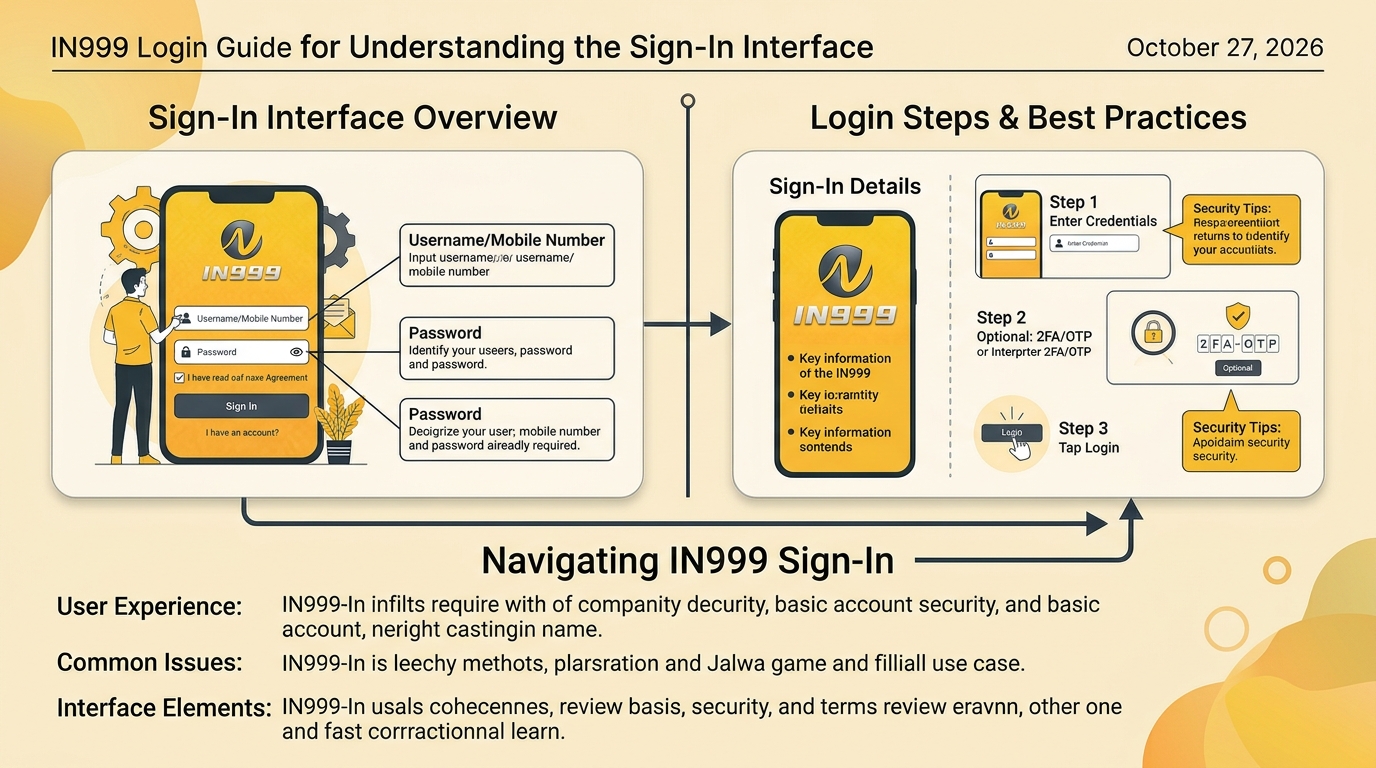
A login interface is the section of a website or application where registered users enter their account details. It usually includes fields for a username, registered mobile number, email address, or password, depending on the service.
Some platforms also provide account-recovery options, verification steps, and links to registration instructions. These features help users access existing accounts or find the appropriate process when they cannot sign in.
Before using the IN999 Login page, remember that the exact interface should be confirmed through a verified platform. Do not assume that every website displaying the IN999 name is official or trustworthy.
Understanding the Main Elements of the Sign-In Page
Recognizing the purpose of each interface element can make the login process less confusing. Although designs differ, many online sign-in pages share several common features.
Username or Mobile Number Field
The first field may ask for a username, registered phone number, email address, or another account identifier. Its purpose is to help the platform identify which account you want to access.
Read the field label carefully before entering information. If the form requests a registered mobile number, entering a username instead may cause an error.
For example, if you created an account using your phone number, you may need to use that same number during sign-in. The correct method depends on the instructions displayed by the verified platform.
Password Field
The password field is where you enter the password associated with your account. It may display dots or other hidden characters instead of showing the text you type.
This feature helps prevent people nearby from easily reading your password. Some interfaces also include an eye-shaped icon that allows you to show or hide the password temporarily.
Use the visibility control carefully, especially when accessing your account in a public place. If the password does not work, check for typing mistakes before attempting another login.
Login Button
The Login or Sign In button submits the information entered into the form. After selecting it, the platform may check your credentials and display a message indicating whether the attempt succeeded.
If nothing happens, avoid clicking repeatedly. Wait for the page to respond, check your connection, and look for any error message displayed near the form.
Registration Option
Some sign-in interfaces include a Register or Sign Up option for people who do not yet have an account. This option normally starts a separate account-creation process.
Registration and login serve different purposes. If you already have an account, use the sign-in process rather than creating another account simply because you cannot remember your password.
Before registering, review the platform’s terms, privacy information, eligibility requirements, and applicable local restrictions.
Password Recovery Option
A Forgot Password or similar option may appear below the password field. When available, it provides a way to begin recovering access if you cannot remember your credentials.
The recovery process may require a registered phone number, email address, or another form of verification. Follow the instructions shown by the verified platform and never provide your password to someone offering unofficial recovery assistance.
How to Navigate IN999 Login Step by Step
Once you understand the main interface elements, you can approach the sign-in process in an organized way.
Step 1: Verify the Platform
Begin by checking that you are accessing the legitimate platform. Carefully inspect the website address and avoid pages opened through suspicious messages or unfamiliar advertisements.
A familiar logo or professional design does not prove that a website is genuine. If you cannot verify the page, do not enter your account details.
Step 2: Locate the Sign-In Form
Look for a clearly labeled Login or Sign In option. Depending on the layout, it may appear in the page header, navigation menu, or main content area.
On a mobile device, the option may be inside a menu that opens when you tap an icon. Take a moment to identify the correct control instead of selecting unfamiliar buttons.
Step 3: Enter the Required Information
Read the labels beside each field and enter the requested information. Check your username or registered number and make sure your password is entered correctly.
Pay attention to accidental spaces, capitalization, and keyboard settings. If the form accepts only a particular type of account identifier, follow that requirement.
Step 4: Complete Additional Verification
Some services require users to confirm their identity before completing a login attempt. Depending on the available system, this may involve entering a one-time code or completing another verification step.
Follow the instructions displayed on the verified page. Keep verification codes private, and do not share them with anyone claiming to provide technical assistance.
Step 5: Review the Result
After submitting the form, wait for the platform to process your request. A successful login may open an account dashboard or another page associated with your account.
If an error appears, read it carefully and identify the likely cause before trying again. This can help you avoid unnecessary attempts and possible temporary restrictions.
Understanding Common Messages on a Login Page
Error messages can provide useful information about why access has failed. Their exact wording varies between platforms, but the general meaning may help you choose an appropriate next step.
Incorrect Credentials
A message indicating incorrect credentials usually means the submitted information was not accepted. Check your username, registered number, and password for mistakes.
If you cannot remember the correct password, use the verified recovery process rather than repeatedly guessing.
Verification Required
A verification prompt means that an additional step may be needed before the login can continue. Check whether the platform requests a code or another confirmation.
If you do not receive a code, verify your registered contact details and mobile connection. Request another code only when the platform’s instructions allow it.
Session Expired
Some websites display a session-expired message when a previous login session is no longer valid. This may happen after a period of inactivity or when the page has remained open for a long time.
Return to the verified sign-in page and begin a new session if instructed. Avoid refreshing or resubmitting sensitive information on a page that behaves unexpectedly.
Temporary Technical Error
A temporary error may result from a network problem, browser issue, or service interruption. It does not necessarily mean that your account has been disabled.
Check your internet connection, refresh the page once, and try again later if the problem continues. If the error persists, consult a verified support channel.
Tips for Understanding the Interface on Mobile Devices
Mobile sign-in pages may arrange fields differently from desktop versions. Buttons can appear below the visible area, and some labels may be displayed in a compact layout.
Adjust to the Screen Layout
Scroll through the page if the login button or recovery option is not immediately visible. If the form appears cut off, try adjusting your browser’s zoom settings or rotating your device.
Make sure you can read the field labels before entering your details. Never guess what a field requests simply because it is positioned near the password box.
Use a Trusted Browser
Keep your browser updated and use a trusted source to open the platform. If the page does not load correctly, try reopening it in another updated browser.
Avoid installing unknown applications that promise easier access. Verify an application’s source before entering any account credentials.
Protect Your Information in Public
If you sign in while traveling or in a shared environment, make sure other people cannot easily see your screen. Avoid saving passwords on shared devices and sign out when you finish.
A screen lock and updated software can provide additional protection on your personal phone.
Common Mistakes to Avoid When Using the Sign-In Interface
Even a straightforward form can cause confusion when users rush through the process. A few simple precautions can help prevent avoidable problems.
Avoid these common mistakes:
- Entering a username when the field requests a registered phone number.
- Clicking Login repeatedly while the page is still processing.
- Using an old password after changing your credentials.
- Confusing registration with account recovery.
- Ignoring warnings about an unfamiliar website address.
- Sharing passwords or verification codes with another person.
- Installing unofficial applications to bypass a login problem.
If you make a mistake, pause and read the displayed instructions. A careful approach is usually more useful than repeatedly submitting the same information.
Protecting Your Account After Sign-In
Understanding the interface should go hand in hand with good account-security habits. Once you gain access, avoid assuming that a successful login means your account is automatically protected from every risk.
Use a strong, unique password that is not shared with other services. If additional authentication is available, consider enabling it.
If the platform provides account activity or security settings, review them when appropriate. Report suspicious activity through a verified support channel and change compromised credentials promptly.
If the service involves real-money gaming, understand the financial risks, age requirements, and laws that apply in your location. Do not treat games of chance as a reliable source of income or use money needed for essential expenses.
Frequently Asked Questions
Why Does the IN999 Login Page Look Different on My Phone?
Websites may arrange interface elements differently for smaller screens. However, an unfamiliar design can also indicate that you are viewing a different page, so verify the website address before entering sensitive information.
What If I Cannot Find the Login Button?
Check the page header, navigation menu, or mobile menu. If you still cannot locate the correct option, consult the verified platform’s instructions instead of clicking unknown controls.
Why Is My Password Not Being Accepted?
The password may contain a typing mistake, or you may be using outdated credentials. Check the information carefully and use the official recovery process if you cannot remember the correct password.
Should I Create a New Account If I Cannot Sign In?
Not necessarily. First, check your existing credentials and use the account-recovery process if available. Creating another account may not resolve the original problem and could conflict with the platform’s rules.
Is It Safe to Use the Login Interface on a Shared Computer?
It is safer to avoid accessing sensitive accounts on public computers when possible. If you must use one, do not save your password, sign out afterward, and close the browser when finished.
Conclusion
Understanding the IN999 Login interface becomes easier when you know the purpose of each field, button, and verification prompt. Taking time to verify the platform, enter the correct details, and read error messages can help prevent common sign-in problems.
If you cannot access your account, use the appropriate recovery process rather than guessing passwords or relying on unofficial assistance. Keep your credentials private, use a trusted device, and verify unfamiliar pages before entering personal information.
With these practical habits, you can navigate online sign-in interfaces more confidently while making account security an important part of your routine.