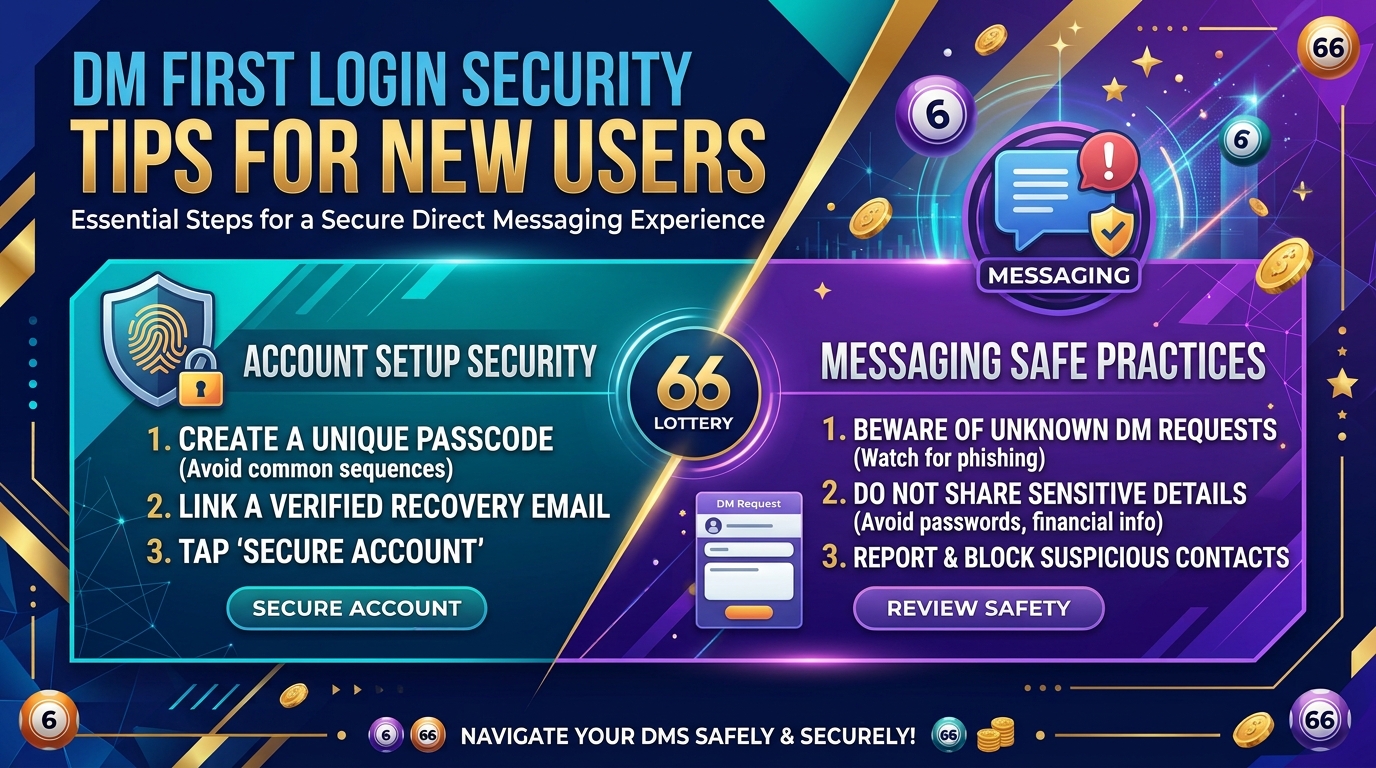
Creating an account on a new digital platform is usually simple, but keeping that account secure requires a little extra attention. During your first sign-in, it is important to understand how to protect your personal information, choose a strong password, and recognize possible security risks. Taking these steps early can help you avoid common problems later.
The DM First Login process should begin with basic security checks rather than rushing through the sign-in steps. Whether you are accessing your account from a mobile phone, tablet, or computer, following safe online practices can make your experience more comfortable. This guide explains practical security tips that new users can follow when accessing their accounts for the first time.
Why Security Matters During Your First Login
Your first login is an important opportunity to establish good account habits. Many users focus only on entering their credentials and opening the platform, but they may overlook the importance of protecting their information.
A secure account helps reduce the risk of unauthorized access, password theft, and misuse of personal details. Even if a platform provides its own security features, users still have a role in keeping their accounts protected.
Before starting the DM First Login process, take a moment to check that you are using the correct website or official application. Avoid opening unfamiliar links sent through unexpected messages, advertisements, or unknown social media accounts.
Use the Correct Website or Application
One of the most important security steps is making sure you are accessing the genuine platform. Fake websites sometimes copy the design of legitimate services to trick users into entering their login information.
Check the Website Address Carefully
Before entering your username, phone number, email address, or password, review the website address in your browser. Look for unusual spelling, extra characters, or a domain name that differs from the one you intended to visit.
A website using HTTPS encrypts information transferred between your browser and the website, but this alone does not prove that the website is trustworthy. You should still confirm that the address belongs to the legitimate service.
If you are unsure about the correct DM login page, use a trusted source to verify the official address instead of relying on random search advertisements or messages.
Download Applications From Trusted Sources
If the platform offers a mobile application, download it through a trusted app store or a verified official source. Avoid installing files shared by unknown people or websites.
Check the application name, publisher, permissions, and available information before installation. Be cautious if an application requests access to contacts, messages, location, or other information that does not seem necessary for its main function.
Create a Strong and Unique Password
A strong password is one of the simplest ways to improve account security. Avoid using predictable combinations such as your name, birthday, phone number, or common number sequences.
For the DM First Login process, choose a password that is difficult for others to guess and that you do not use for other accounts.
A good password should:
- Be long enough to resist common guessing attempts.
- Include a mix of letters, numbers, and symbols when supported.
- Avoid personal information that others could easily discover.
- Be different from passwords used on email, social media, or banking accounts.
Consider using a reputable password manager to create and store unique passwords. This can help you avoid writing passwords in easily accessible places or reusing the same password across multiple services.
If the platform allows you to change your password after registration, make sure you understand where that option is located.
Protect Your Personal Information
New users should review what information the platform requests during registration and sign-in. Some details may be necessary to create or verify an account, but you should be careful about sharing information that is not clearly required.
Never provide your password to someone claiming to be a customer support representative. Legitimate support staff should not need your password to investigate a routine account issue.
You should also avoid sharing one-time verification codes with other people. These codes may be used to confirm your identity or authorize sensitive account actions.
If a message asks you to send a verification code urgently, pause and check whether the request is genuine. Unexpected requests that create pressure or threaten account closure can be signs of a scam.
Enable Additional Security Features
If additional security options are available, consider enabling them before using the account regularly. These features can provide extra protection beyond a password.
Use Two-Factor Authentication
Two-factor authentication adds another verification step when signing in. Depending on the service, this may involve an authentication application, a security key, or a verification code.
If someone obtains your password, an additional authentication step may make it harder for them to access your account. However, you should still protect your verification methods and recovery information.
Review Account Recovery Options
Check whether the platform provides a recovery email address, phone number, or another method for restoring access. Use information that you control and can access when needed.
If you lose access to your account, recovery options can help you verify your identity. Keep these details up to date, and never use another person’s contact information without permission.
Remember that the exact security features available may vary depending on the platform.
Choose a Safe Device and Network
The device and internet connection you use can affect your account security. During your first sign-in, choose a device that you trust and keep its operating system and browser updated.
Security updates often fix weaknesses that attackers could otherwise exploit. Using an updated browser and reputable security software can help reduce common online risks.
Be Careful With Public Wi-Fi
Public Wi-Fi networks in cafes, hotels, airports, and other shared spaces may not provide the same level of protection as a trusted home network.
When possible, use a trusted private connection for account setup and other sensitive activities. If you must use public Wi-Fi, avoid suspicious networks, keep your device updated, and consider using a reputable VPN.
Never assume that a network is safe simply because it has a familiar name or does not require a password.
Avoid Shared Devices for Sensitive Accounts
Using your personal device is generally preferable when completing the DM First Login process. If you need to use a shared computer, make sure the browser does not save your password.
Always sign out when you finish, close the browser window, and avoid selecting options such as “Remember me” on devices that other people can access.
Recognize Suspicious Messages and Login Requests
Scammers may contact new users through email, text messages, phone calls, or social media. They might claim that an account has a problem or that immediate verification is necessary.
Before following a link, check the sender and consider whether you expected the message. Be especially cautious of requests for passwords, payment details, verification codes, or remote access to your device.
Common warning signs include:
- Messages that threaten immediate account suspension.
- Links with misspelled or unfamiliar website addresses.
- Requests for confidential information through unofficial channels.
- Offers that seem unusually attractive or promise guaranteed rewards.
- Pressure to act quickly without checking the details.
If something seems suspicious, do not click the link or provide information. Visit the verified platform independently and check your account through its normal sign-in process.
What to Do if You Notice a Security Problem
Even careful users may encounter suspicious activity. Knowing what to do can help limit the possible damage.
If you believe someone has accessed your account without permission, take these steps:
- Change your password using the official website or application.
- Sign out of other sessions if the platform provides that option.
- Review account details and check for unfamiliar changes.
- Secure the email account or phone number connected to the profile.
- Contact the platform’s official support team if the issue continues.
If you reused the same password elsewhere, change it on those accounts as well. If you cannot sign in, follow the official account recovery procedure rather than trusting strangers who offer to recover the account for you.
Acting quickly can help protect your information and reduce the risk of further unauthorized activity.
Build Good Security Habits After Your First Login
Account security does not end once you successfully sign in. Make it a habit to review important settings, update your password when necessary, and pay attention to unusual account notifications.
Avoid saving sensitive information in public notes or sending passwords through ordinary messages. If you receive an alert about an unfamiliar login, verify it promptly through the platform’s official security settings.
You should also review the platform’s privacy policy and account rules so that you understand how your information is handled. If you no longer use the service, check whether it offers a secure account closure option.
Small, consistent actions can make account management easier while helping you stay aware of potential risks.
Conclusion
The DM First Login process is a good time to establish safe online habits. By checking the official website, creating a strong and unique password, protecting verification codes, and choosing a trusted device, new users can reduce many common account security risks.
It is equally important to recognize suspicious messages, use available security features, and know how to respond if something unusual happens. No single precaution can guarantee complete protection, but combining several sensible practices provides a stronger level of security.
Before using your account regularly, review the available privacy and security settings and make sure your recovery information is accurate. A few careful steps during your first login can help you enjoy a safer and more confident digital experience.